Product Managers as Mini-CEOs
Discover how product managers embody CEO-like responsibilities, requiring both technical and business skills.
In the multifaceted domain of product management, a pivotal debate continues to shape the profession: should product managers possess a strong technical background or is business acumen more critical for their success? This article delves into this ongoing debate, examining the advantages and potential drawbacks of each perspective, and seeking a balanced view that accommodates the fast-evolving landscape of technology and business.
"Someone says you don't have to be a coder to be a product manager..."
In the multifaceted domain of product management, one pivotal debate continuously shapes the profession: should product managers possess a robust technical background, or is strong business acumen more crucial for their success? This question resonates across industries, as both skill sets offer unique advantages. This article dives deep into this ongoing debate, examining the strengths, challenges, and potential limitations of each perspective, and exploring how a balanced approach can offer the most effective solutions for navigating the fast-evolving intersection of technology and business.
Technical expertise in product management cannot be overstated, especially in tech-driven industries such as software development, artificial intelligence, biotechnology, and cybersecurity. A technical background equips product managers to understand the intricate details of product architecture, system dependencies, and technical constraints. This knowledge helps them communicate effectively with engineers, anticipate technical roadblocks, and contribute meaningfully to technical discussions, ultimately enhancing the product development lifecycle.
Equally vital is business acumen, a skill set that enables product managers to navigate market trends, understand customer preferences, and align product strategy with overarching financial goals. Business-savvy product managers can make informed, strategic decisions that drive revenue growth, improve market fit, and elevate brand recognition. This understanding is especially critical in customer-centric fields where market demands and competitive landscapes shift rapidly, requiring a keen eye for profitable opportunities and sustainable growth.
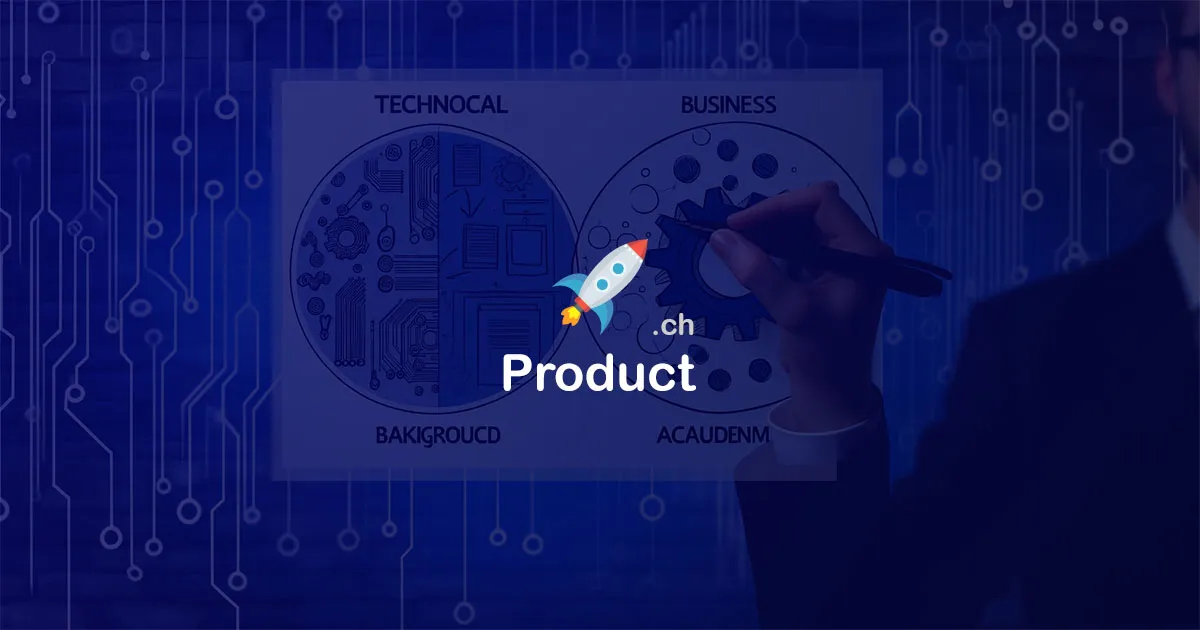
Although the debate often presents technical skills and business knowledge as mutually exclusive, the most successful product managers blend both. A balanced approach allows them to lead the product's technical development and market positioning. This synergy is essential in a role that serves as a liaison between engineering, design, and business stakeholders, each with distinct expectations and goals. Integrating both skill sets creates a well-rounded product leader who can confidently guide the product lifecycle from ideation to launch and beyond. This balance is particularly important for product managers acting as mini-CEOs, who must navigate both technical and business domains.
The integration of technical knowledge and business acumen in product management is not only beneficial but essential for creating successful products. As the bridge between technical teams and business goals, product managers who cultivate both skill sets can navigate complex challenges and capitalize on emerging opportunities, positioning their products and companies for success. In a rapidly evolving digital landscape, where both technological innovation and customer-centric strategies drive market success, the ability to blend technical understanding with business foresight is what truly sets outstanding product managers apart.
For a deeper exploration of essential product management skills, you might also be interested in reading about the necessity of product managers, learning how to become a product manager, and understanding how product managers act as mini-CEOs.
Ready for a product transformation? Your journey begins here.